A "smart surface" may improve WiFi performance by a factor of 10X; An artist created a virtual traffic jam with a wagon and 99 smart-phones; Genetic analysis reveals Neanderthal ancestry in Africans; Entertainment company uses drones to create smoke-screen background for an airborne laser how; and a Steem essay describing a new AI and mapmaking initiative
Steem Promoted Posts - Proof of Concept
🚀
Promoted on Steem
loading…
Fetching promoted posts…
Powered by api.steemit.com · condenser_api.get_discussions_by_promoted · View all on Steemit
Friday, February 7, 2020
Thursday, February 6, 2020
Curating the Internet: Science and technology digest for February 6, 2020
A new device helps retailers to identify counterfeit Nike and Adidas sneakers; A Hong Kong policy-maker argues for Blockchain and AI to address crises like the Wuhan coronavirus; MIT Tech Review Links on Russian spy-games, jigsaw puzzles on Instagram, and efforts to repair Voyager 2; An argument for advocates to tighten up their rhetoric on climate change; and a Steem post arguing that the intelligence cycle represents a useful learning model, and that the most important modes of collection are human intelligence and geo-spatial intelligence
Wednesday, February 5, 2020
Curating the Internet: Science and technology digest for February 5, 2020
A TED talk discusses the creation and potential of robots the size of a biological cell; Department of Interior grounds all non-emergency drones; Google releases an open-source application for two factor authentication; Google sends downloaded private photos to the wrong people; and a Steem post with photos of snow under the microscope
Tuesday, February 4, 2020
Curating the Internet: Science and technology digest for February 4, 2020
Pricing algorithms raise prices for consumers; An argument that the Smartphone has passed its point of peak utility; An essay asks if it would matter if high quality novels were written by computers, instead of humans; Rapidly changing pH levels in the ocean present a problem, but the oceans are not acidic; and a Steem essay gives four reasons why computer slowness increases as time goes by
Monday, February 3, 2020
Curating the Internet: Science and technology digest for February 3, 2020
IEEE Spectrum's weekly selection of awesome robot videos; Researchers implant sheets of stem cells to treat heart disease; Twitter adds a bitcoin emoji; A TED talk describing a new protein-based class of medications that uses custom-designed constrained peptides; and a Steem post describing the use of biomass materials as a source of energy
Sunday, February 2, 2020
Curating the Internet: Science and technology digest for February 2, 2020
Japan is building a 60 foot tall humanoid gundam robot; An argument that it's important for AI designers to exhibit responsibility and transparency and to understand its proper uses; New attempts at extortion with data from the 2015 Ashley Madison data dump; Harvard's chemistry department chair has been arrested on financial charges; and a Steem essay reports that Avast is shutting down its data sales and argues for more privacy protections
Saturday, February 1, 2020
Curating the Internet: Science and technology digest for February 1, 2020
NASA's space commercialization initiative begins with space tourism plans for the ISS in 2024; SpaceX lawyer expresses the firm's hopes for 1 million rocket launches per year; A post about two distinct modes of thinking, with and without internal narration; A TED talk describing the use of virtual reality (VR) in American science education; and a Steem-based video discussion on the topic of why people believe in conspiracy theories
Friday, January 31, 2020
Curating the Internet: Science and technology digest for January 31, 2020
New social media platform promises to connect people with influencers in high-cost online communities; Andrew Yang calls for standardization of cryptocurrency laws and regulations in the US; A look at the ambiguous nature of Jack Dorsey's decentralized social media initiative; A curious retracted paper with four dead authors; and a Steem essay describing reasons for a corporate network security audit
Thursday, January 30, 2020
Curating the Internet: Science and technology digest for January 30, 2020
LocalBitcoins reportedly suspended accounts without warning in Africa, the Middle East, and Asia; Researchers report an immune discovery that may treat many or all forms of cancer; The difficulty of documenting non-reproducible systems; A TED talk argues that humans and AI systems should work together on solving problems; and a Steem post reporting that the coronavirus has been cultured in a lab
Wednesday, January 29, 2020
Curating the Internet: Science and technology digest for January 29, 2020
SpaceX stock offerings incentivize employees; More about the automated dog training system; An argument that the risk from the Three Mile Island accident was exaggerated, and led to overreactions from regulators and society; An argument that surveillance is comprised of identification, correlation, and discrimination, and people who focus on facial recognition are missing the bigger picture. ; and a Steem essay describing the Tachyon Protocol for improved Internet privacy and performance
Tuesday, January 28, 2020
Curating the Internet: Science and technology digest for January 28, 2020
A discussion of the critical nature of human performance in complex software systems; Introducing the concept of Robotic Process Automation (RPA); GM revitalizing a factory that was nearly shuttered for use in manufacturing electric and autonomous vehicles; Reengineering viruses to cure bacterial infections; and Steem-based discussions of the Wuhan Coronavirus and a related Prevent/Cure/Treat framework for dealing with health issues
Monday, January 27, 2020
Curating the Internet: Science and technology digest for January 27, 2020
A recently recovered civil war era bottle may have been used as a "witch bottle"; Research team says Mt. Vesuvius eruption may have melted Roman brains into glass; NASA astronauts preparing for SpaceX crewed mission, maybe as soon as April; A physician says he's skeptical of recent study finding that human body temperatures are getting lower; and a Steem essay argues that decentralization brings true ownership and reduces opportunities for planned obsolescence
Sunday, January 26, 2020
Curating the Internet: Science and technology digest for January 26, 2020
IEEE Spectrum's weekly selection of awesome robot videos; Report claims that the AI leader in 2030 will obtain world dominance for the century; Researchers use genetic manipulation to reverse age-related decline in mouse brains; Internal mobility, changing jobs within an organization, is a growing trend in business; and a Steem essay describing a collaborative effort to 3D print incubators for Mason Bees
Saturday, January 25, 2020
Curating the Internet: Science and technology digest for January 25, 2020
A Youtube explanation of P vs. NP, computer science's biggest mystery; A TED talk covering indoor vertical farming, aka controlled environment agriculture; Youtube channels for cats. Really.; States sue feds over online plans for 3D printed guns; and a Steem photo competition entry with 25 high quality iguana photos
Six design principles behind a Steem blog series
This post describes some of the blogging design principles that have emerged for a series of blog posts during the course of a 10 month effort
Friday, January 24, 2020
Curating the Internet: Science and technology digest for January 24, 2020
Psychologists are better at experimentally reducing empathy than boosting it; Verizon launches privacy-focused Internet search engine, but journalists are skeptical; Major volcanic eruption possible from the Phillippines' Taal volcano; Using smart LEDs to provide protection from unwanted photography; and a "rubber egg" experiment as a home-schooling activity
Thursday, January 23, 2020
Curating the Internet: Science and technology digest for January 23, 2020
PinePhone: Linux-powered smart phone, begins shipping for $150; International journalist, Glenn Greenwald, charged with cybercrimes in Brazil; Researchers introduce metric for quantifying scientific rigor and transparency; Facebook's AI can navigate without a map; and a Steem essay describing conservation efforts that make use of unmanned drones
Wednesday, January 22, 2020
Curating the Internet: Science and technology digest for January 22, 2020
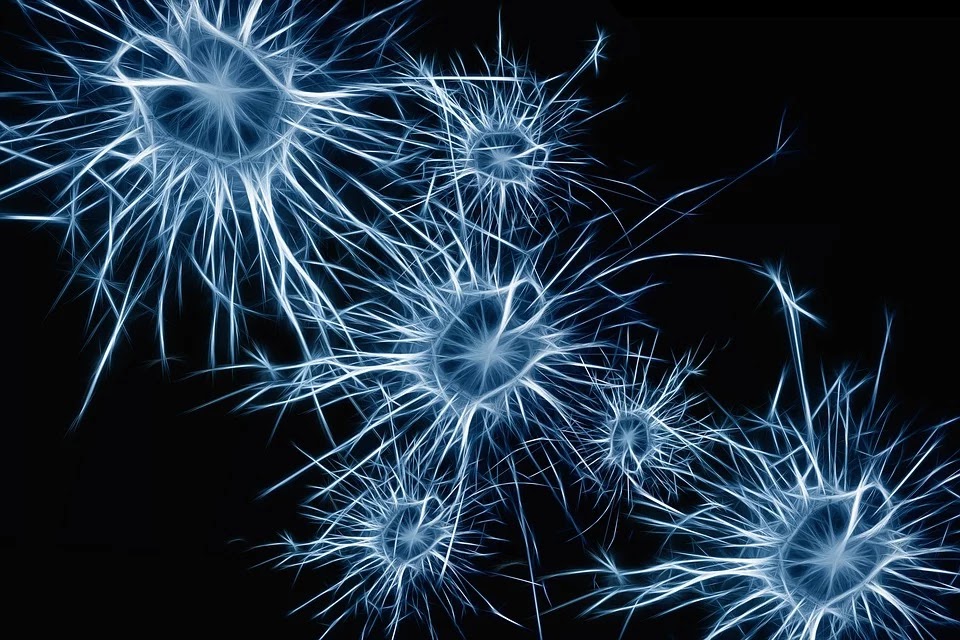
Computation in the brain is more complex than previously known; An argument against altruism in business; An optical illusion may help with treatment of OCD; Google's DeepMind team brings insight to the brain's internal reward mechanism; and a Steem proposal by @openseed that offers a step towards "tokenizing the web"
Tuesday, January 21, 2020
Curating the Internet: Science and technology digest for January 21, 2020
A company that sells social-media photograph searches to law enforcement; Controversy in nutrition science over links between red meat and cancer; Supply chain transparency as an environmental tool; Frontier Communications is expected to file for Chapter 11 bankruptcy; and a Steem essay describing a study of Nigerian clay for use as oil drilling mud
Monday, January 20, 2020
Curating the Internet: Science and technology digest for January 20, 2020
Towards artificial neural networks (ANNs) with innate skills; Unusual immune cells found in brains of people with autism; A TED talk argues that drug prices are high because patent reform is needed; SpaceX crew dragon capsule passes its last testing milestone prior to manned flight; and a Steem post makes recommendations for online photo-editing web sites
Labels:
ai,
artificial intelligence,
Autism,
Health,
Intellectual Property,
Medicine,
NASA,
neural networks,
Patents,
Photo Editing,
Photography,
space,
spacex,
WANN,
Weight Agnostic Neural Networks
Subscribe to:
Posts (Atom)


